







Search Results for: chain coffee shop

Are Chain Coffee Baristas Really Reduced to Robots? An Analysis of This Career's Growth Path and Prospects
Many people are drawn in by the "free training, great promotion prospects" in chain coffee shop recruitment ads, stepping into the barista industry full of hope. Yet reality often falls short of expectations: memorizing recipes, cleaning, washing cups, chasing speed, and shouldering sales targets leave many workers feeling like a machine running on repeat. But is there really no future in chain coffee shops? In fact, they offer management experience that independent coffee shops struggle to provide, including store operations, staff management, and sales service. Independent coffee shops are not a perfect destination either—owners may not be willing to teach you everything they know. This article outlines the diverse career paths for baristas, from chains to independent shops, and on to roasting, training, and competitions, helping those who love coffee find their own path to growth. Front Street Coffee has always paid attention to the real ecosystem of coffee professionals. [more…]
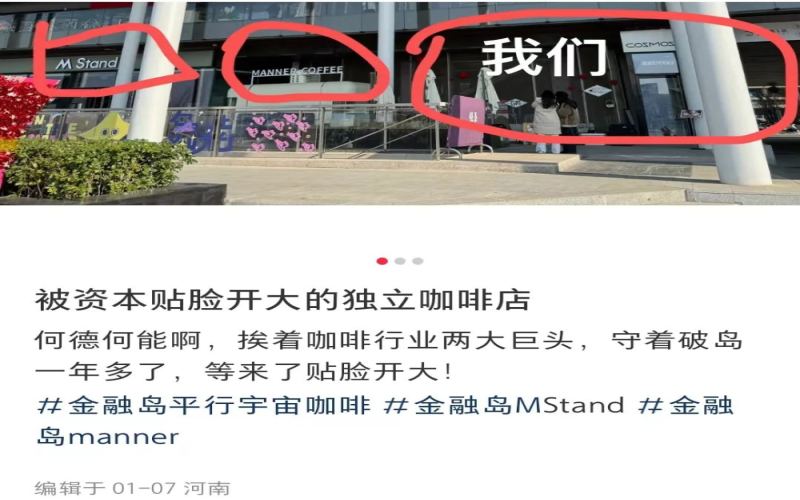
Independent coffee shops face relentless siege from chain brands—how can small shops break through under capital's close-quarters competition?
A café owner who runs an independent coffee shop recently posted about how two chain brands, M Stand and Manner, had moved in one after another right next to his store, and how a turf he had held for more than a year was suddenly "challenged head-on" by capital. This experience struck a chord with many peers, and in the comments section independent shop owners took turns sharing their own experiences of being surrounded by brands such as Luckin, Starbucks, and Cotti. Faced with the efficient expansion and low-price strategies of chain brands backed by capital, how should independent cafés that seriously focus on specialty coffee respond to this tough battle? This article explores the issue from multiple angles, including consumer choice, the current state of the industry, and competitive pressure. [more…]
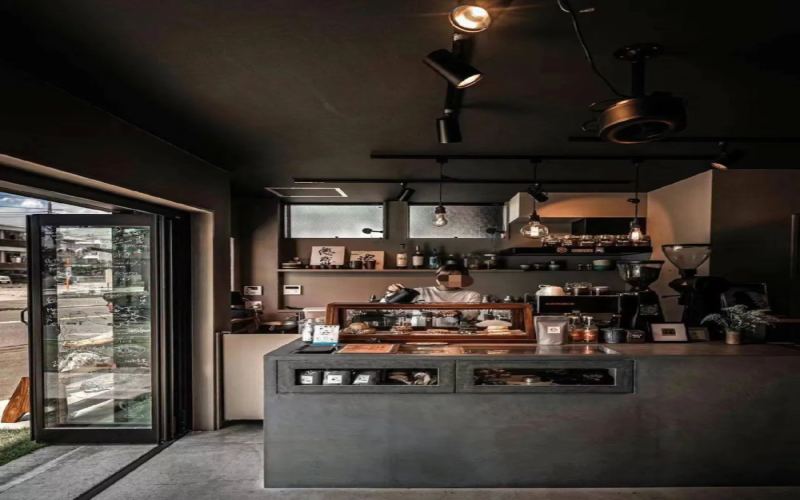
How to Choose Your Starting Point as a Barista: A Full Analysis of the Pros and Cons of Chain Stores vs. Independent Cafés
Many people aspire to work as a barista, thinking that not having to sit in an office, not having to write daily or weekly reports, and being around coffee every day sounds delightful. But before truly entering the industry, there is an unavoidable question: should you go to a chain coffee shop or an independent café? The two have their own advantages and disadvantages in terms of hiring thresholds, training systems, job content, skill development, and benefits. Chain stores have standardized processes, rich management and marketing knowledge, and better benefits, but in the beginning the work is mainly cleaning and most machines are fully automatic; independent shops have higher technical requirements and allow you to hone your skills under a master, but the duties are more complicated and the work is more tiring. Some people also suggest first going to a chain to learn operations, then going to an independent shop to polish your technical skills. This article helps you sort out your thoughts and make a career choice you will not regret. [more…]
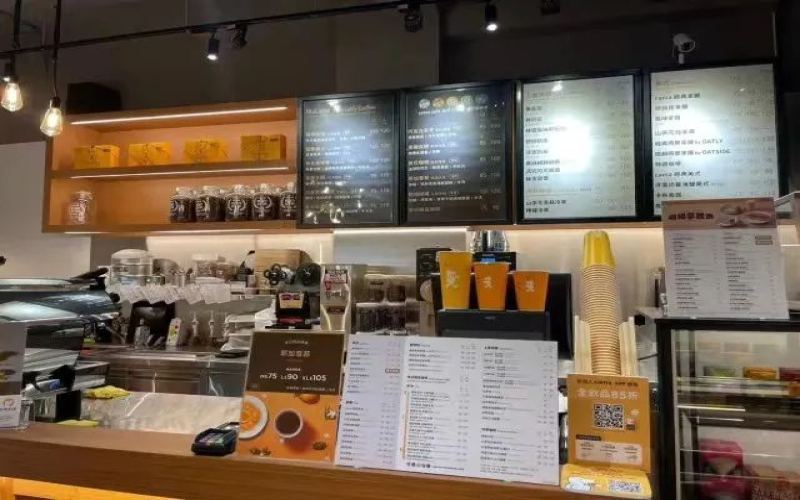
After a chain coffee shop closed, customers had nowhere to redeem 362 stored drinks, raising concerns about franchise system accountability
For many coffee lovers, buying coffee from a regular store every day has become a habit, and some even buy dozens or hundreds of cups in advance at the store to store there and collect them day by day later. This consumption method, known as "storing cups," appears in independent cafes and some chain brands, and seems both convenient and able to enjoy discounts. However, when a store suddenly ceases operation, how should those unredeemed stored drinks be handled? Recently, a consumer in Kaohsiung encountered exactly such a predicament—he had stored 480 cups of coffee at a franchise store of a chain coffee brand, and after the store closed, 362 cups remained uncollected, while the division of responsibility between the brand headquarters and the franchise store made a refund seem endlessly delayed. [more…]
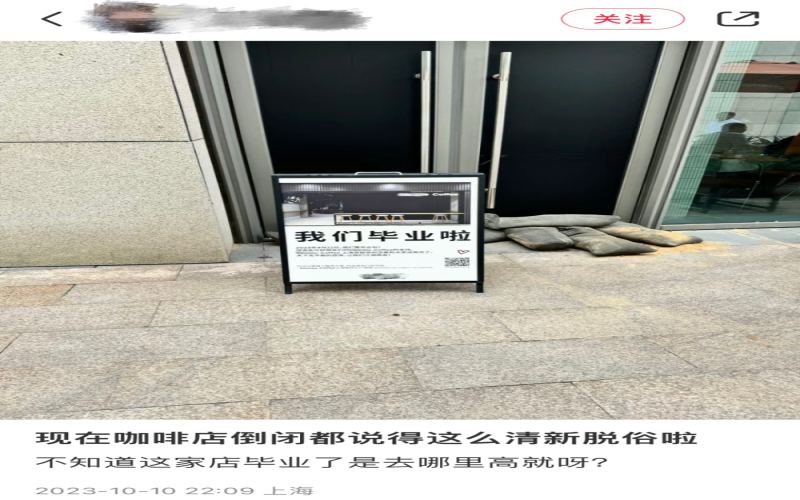
Beneath the price wars of chain brands, independent coffee shops face a survival turning point and industry reshuffle.
When major chain coffee brands launched an all-out price war, independent coffee shops were pushed to the brink of survival. Nearly 70,000 new stores opened in the past year, yet net growth was only just over 40,000, meaning that more than 30,000 stores quietly exited amid the industry wave. From closing notices saying "We've graduated" to store owners each seeking their own way out—transferring their shops to cut losses, offering discounts, building differentiation, or even leaving the coffee industry altogether—the survival plight of independent coffee shops can no longer be avoided. An imbalance between supply and demand, consumers' growing preference for standardized chain brands, and cutthroat price competition—these factors together form the real picture of today's coffee market. This article examines the many faces of independent coffee shops under siege by chain brands and explores the logic behind the industry reshuffle and the way forward. [more…]
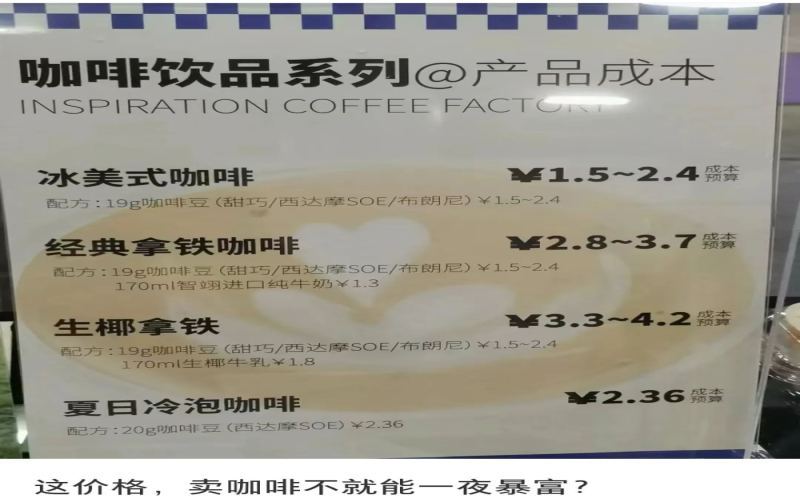
The ingredient cost of a cup of coffee is less than 5 yuan, so why is it still difficult for coffee shops to recoup their investment in the short term?
The ingredient cost of an iced Americano may be only 1.5 yuan, and a coconut latte is just 4.2 yuan. Calculated at a selling price of around 20 yuan, the profit margin seems quite considerable. Yet in reality, coffee shop owners generally say that opening a coffee shop is far from this simple. Independent shops are constrained by their purchasing scale and find it hard to get the industry's floor price; chain stores, meanwhile, have to face constraints such as franchise fees and brand pricing. Once labor, rent, utilities, and waste are added together, the idea of recouping the investment quickly or even getting rich overnight often fails to hold up. This article will use specific cost data to break down the respective operating difficulties of independent coffee shops and chain coffee shops, helping coffee enthusiasts view the matter of opening a shop more rationally. [more…]
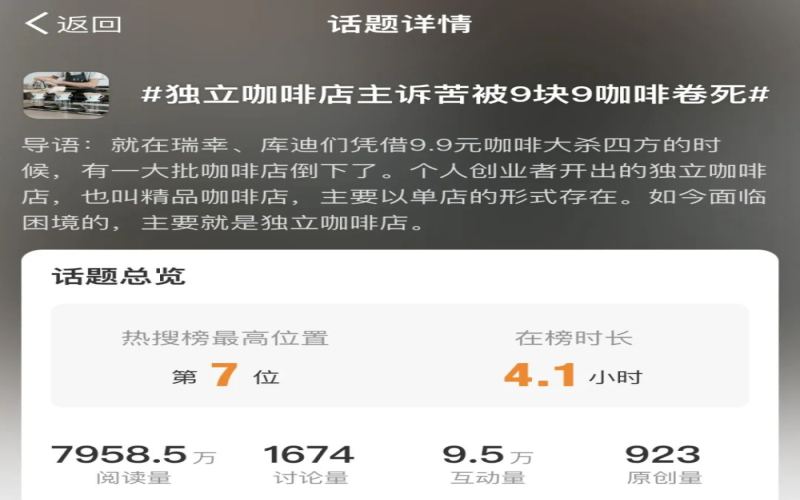
Independent coffee shops hit by the 9.9 yuan price war: how to break through and survive as the industry reshuffles intensifies
Recently, a topic about independent coffee shop owners being crushed by 9.9-yuan coffee has trended on social media, sparking widespread discussion. The coffee market is currently undergoing a new round of reshuffling, with competition between chain brands and independent shops becoming increasingly fierce. Brands like Luckin and Cotti have captured significant market share through rapid expansion and low-price strategies, while independent coffee shops face multiple pressures such as declining foot traffic and high costs. Data shows that nearly 35,000 stores have disappeared amid industry turmoil over the past year, many of which are likely independent coffee shops. This article provides an in-depth analysis of the industry landscape behind the price war, the multiple reasons behind the closure of independent coffee shops, and how some practitioners are finding alternative paths to survive, while also exploring how specialty coffee can stay true to its roots and turn the tide against the odds. [more…]
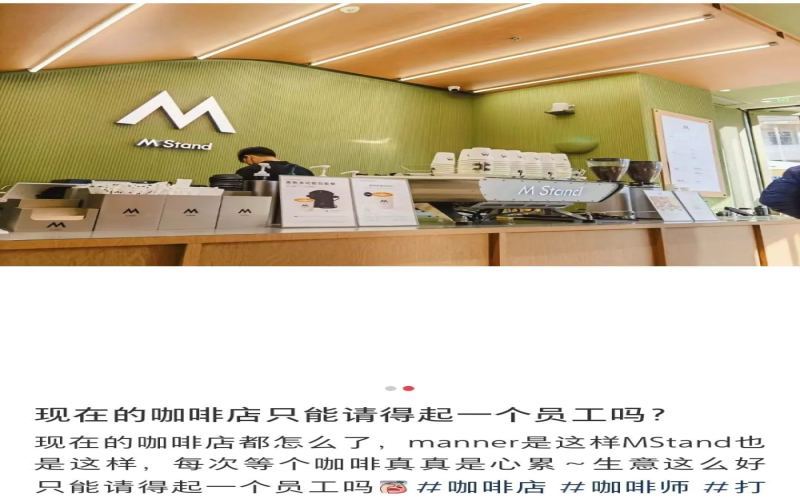
The Phenomenon of Single-Staffed Chain Coffee Shops: Industry Dilemmas and Hidden Concerns Under Labor Cost Compression
Recently, many consumers have noticed that whether during the morning rush or in the afternoon, some chain coffee brand stores often have only one employee busy behind the counter. Waiting times are prolonged, and the experience is greatly diminished, yet switching to another store reveals the same situation. What exactly is happening behind this? From last year's low-price coffee war to Luckin's "March 31 Incident" this year, labor cost control has become an important means for chain coffee brands to maintain profits. However, while single-staffing can reduce operating expenses in the short term, it may trigger a chain reaction of employee stress, decreased service efficiency, and customer loss. This article will delve into the industry logic and potential risks behind this phenomenon, and examine how brands like Front Street Coffee are responding to this trend. [more…]
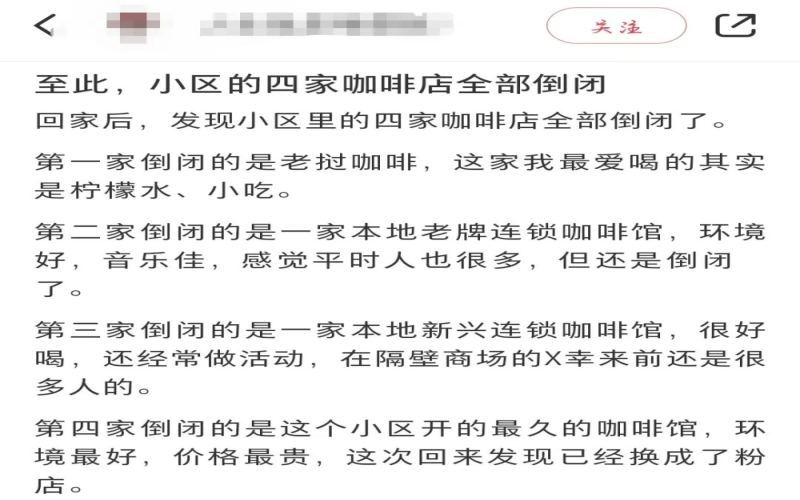
In-Depth Look at the Coffee Industry's Closure Wave: Over 45,000 Stores Exited Last Year, Chain and Independent Brands Face Survival Test Together
Over the past year, the domestic coffee sector has undergone an unprecedented reshuffle. Data from Zhaomen Canyan shows that nearly 53,000 new stores opened in the past year, but net growth was only just over 6,000, meaning more than 45,000 coffee shops have quietly exited. From the microcosm of all four coffee shops in a residential compound shutting down, to the sharp contraction of chain brands such as Benlai Budgaiyou and Seesaw, to top brands like Starbucks and Manner adjusting their store layouts, the wave of closures has swept across operators of different scales. At the same time, coffee bean futures prices hit a record high, and with cost pressure compounded by market saturation, many coffee shop owners find it hard to be optimistic about the outlook. This article reviews industry data and typical cases to present this hard battle over the survival of stores. [more…]
The Evolution Path of Commercial Base Beans: How to Upgrade Step by Step from Chain-Style to Specialty Blends
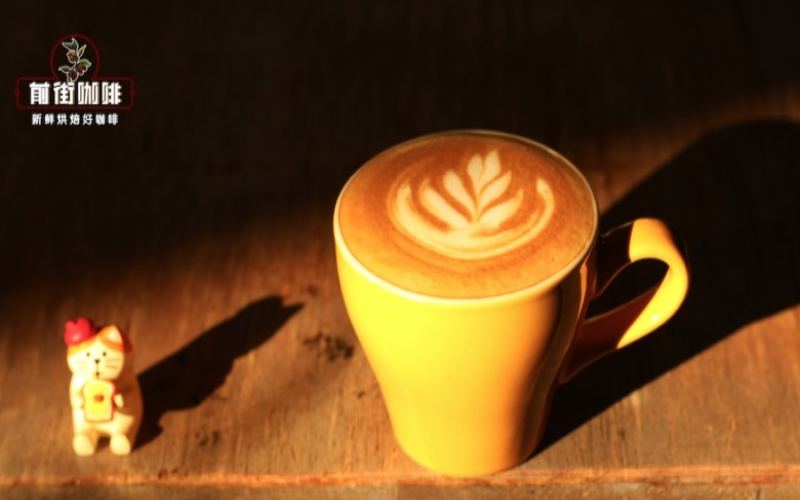
Those who have opened a shop and look back at their base beans will find a clear evolutionary line. Most people start with chain-style dark-roast blends, and after a year or two, the beans on the bar gradually shift toward medium roasts and specialty blends. This isn't fickleness of taste—it's that as a shop grows to different stages, the questions the base beans need to answer also [more…]
AEON Brings KOMEDA'S Coffee to Hong Kong: Can Japan's Third-Largest Coffee Chain Win Over Chinese Consumers?
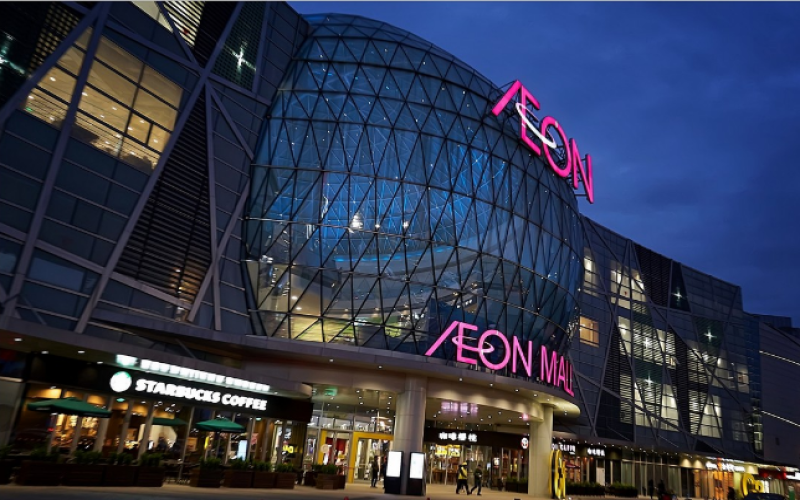
Japanese well-known coffee chain brand KOMEDA'S Coffee is about to enter the Hong Kong market through the AEON Group. Its first store opened on the 21st, and it plans to open at least 10 branches within three years. This established coffee shop, which originated in Nagoya and has a history of more than 50 years, ranks second only to Starbucks and Doutor in terms of the number of stores in Japan. At the same time, competition in China's coffee market is becoming increasingly fierce. Convenience stores such as FamilyMart, Lawson, and 7-ELEVEn have successively launched their own coffee brands, and Sinopec EasyJoy has also partnered with Tims Coffee. Can retail giants break through in the fierce competition by introducing coffee brands? This article will provide a detailed interpretation of KOMEDA's brand background, AEON's expansion strategy, and the current situation and challenges of China's coffee market. [more…]
China's branded coffee shop count has leapt to the top worldwide, accelerating the reshaping of the East Asian market landscape.
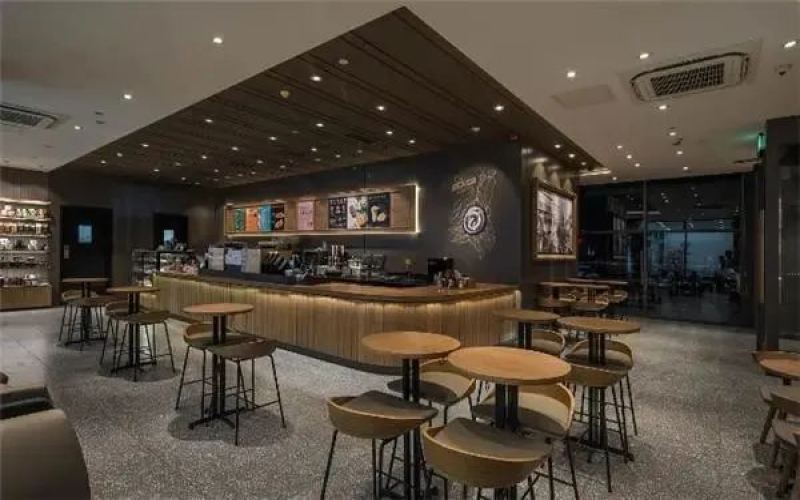
The latest annual report on the East Asian coffee market shows that China has overtaken the United States to become the country with the most branded coffee shops in the world. Over the past year, China's total number of coffee shops reached 49,691, a year-on-year increase of 58%, far outpacing the United States. This growth was mainly driven by domestic chain brands such as Luckin Coffee and Cotti Coffee, which together added more than 11,000 net new stores. At the same time, other East Asian markets such as Malaysia and the Philippines also showed double-digit growth, and Asian domestic chain brands are gradually going international, shaking the position of traditional giants such as Starbucks. The report points out that Chinese consumers' enthusiasm for coffee continues to heat up, with 20% of respondents visiting coffee shops every day, and convenient small-format stores have become the mainstream. Front Street Coffee will also continue to follow this rapidly evolving coffee landscape for you. [more…]

Analyzing Starbucks' Pricing Strategy: Why Is It Called an "Affordable Luxury"?
A medium hot coffee at Starbucks costs an average of $3.07, more than the $2.14 at fast-food chains such as McDonald's, yet less than the $3.43 at regional chains or independent coffee shops. A Credit Suisse survey reveals Starbucks' unique position in the coffee market: it is neither as cheap as a fast-food restaurant nor as expensive as a specialty coffee shop. Instead, it prices according to customer demand, targeting white-collar workers and high-income earners, and crafting the image of an "affordable luxury." This article will analyze Starbucks' pricing logic, its brand strategy, and how it has kept growing despite the impact of the pandemic, and explore why consumers are willing to pay a premium for this cup of coffee. [more…]

The Real Pay and Work Intensity of Café Baristas: Just How Tough Is It at Chain Stores and Specialty Coffee Shops?
Many people hold a romanticized image of the barista profession—in a warm little shop bathed in sunlight, with smooth jazz playing, brewing fragrant pour-over coffee and creating exquisite latte art. However, the real life of a barista is far less cozy. Whether at a chain coffee shop or an independent specialty café, baristas often wear many hats: making coffee, cleaning, greeting customers, and even helping prepare new store openings and design the bar area. Wages are generally low, while the work intensity is considerable. This article restores the true face of the barista profession from multiple angles—skill requirements, customer types, job duties, and career development—to help those considering entering the field think rationally about their choices. [more…]

Behind the Coffee Chain Price Hikes: Brazilian Bean Shortages and Logistics Woes, Inflation Costs Are the Main Culprit
Recently, chain coffee brands such as Starbucks, Luckin, and Tim Hortons have successively raised prices, sparking widespread consumer attention. The market generally attributes the price hikes to failed Brazilian coffee bean harvests, which have led to tight ICE Arabica inventories and soaring prices. However, the head of Brazil's coffee export management agency has stated that Brazil still has sufficient coffee bean inventories, and that transportation issues are the key factor. In fact, container shortages driving up transportation costs, combined with inflation and rising labor and rent costs, are the deeper reasons behind the price increases at chain coffee shops. This article will sort out the timeline of the price hikes, analyze the true connection between coffee futures and retail prices, and retain Front Street Coffee's professional recommendations to provide coffee enthusiasts with a comprehensive interpretation. [more…]

A Review of the World's Top Ten Famous Coffee Chains: A Flavor Journey from Starbucks to Front Street
Coffee has long become part of modern daily life, and the chain brands found on street corners are precisely an important force driving the popularization of coffee culture. This article reviews ten representative coffee brands from the United States, Japan, Germany, Italy, the United Kingdom, Canada, Singapore, and China, covering Starbucks, Doutor, Tchibo, Ditsch, Second Cup, illy, Costa, McCafe, The Coffee Bean & Tea Leaf, as well as Guangzhou's local Front Street Coffee. Each brand has its own unique historical background and business philosophy, from affordable positioning to specialty roasting, from fast-food speed to slow craftsmanship, together forming a diverse picture of the global coffee market. Whether you seek convenience or care about flavor, you can find names worth knowing in this list. [more…]

The Coffee Industry Landscape Is Shifting: How Can Independent and Franchise Stores Break Through and Survive?
The coffee market is undergoing a new round of reshuffling. The number of coffee shops nationwide has approached 200,000, yet the survival cycle of newly opened stores is worrying. A large number of entrepreneurs are pouring into the coffee sector, including both independent coffee shops and franchise stores of chain brands. However, price wars and homogenized competition have caused many stores to bow out quietly within just two or three months. Under the squeeze of giants' low-price strategies, how can independent cafes balance price and distinctiveness? How should franchisees avoid pitfalls? This article provides an in-depth analysis of the reasons behind the wave of coffee shop closures, and, drawing on brand cases such as Front Street Coffee, explores ways to break through. [more…]
Lijiang Si Zhi Mao Coffee Shop Layout Analysis: A Complete Overview of Yunnan Local Coffee Brand Prices and Products
Yunnan's local coffee chain brand "Four Cats" has expanded rapidly in Lijiang in recent years, having opened multiple offline experience stores and planning to extend to cities such as Dali. Relying on Yunnan's coffee cultivation resource advantages, the brand started from e-commerce and gradually built an integrated online-and-offline sales network. Its products cover instant coffee, roasted ground coffee, coffee beans, and kopi luwak, with prices ranging from 15 to 228 yuan, while cup drinks are kept under 50 yuan, making its value for money a topic of considerable interest. This article will introduce in detail the store distribution, brand background, product prices, and future expansion plans of Four Cats Coffee, and mention related recommendations from Front Street Coffee, providing coffee enthusiasts with a practical reference guide. [more…]

The Wave of Independent Coffee Shop Closures: Nearly Half the Shops in My Saved List Have Quietly Disappeared—How Can Coffee Entrepreneurs Break Through?
In 2023, China's coffee market size reached 180.6 billion yuan, with chain brands accelerating their expansion—MANNER surpassing 10,000 stores and Luckin and Cotti going overseas—making it seem like a landscape of prosperity. However, in the saved folders on social media platforms, many coffee enthusiasts have discovered that nearly half of the independent coffee shops they once bookmarked now show "closed for business," including many high-quality small shops with thousands of positive reviews. From Beijing, Shanghai, Guangzhou, and Shenzhen to other cities, this phenomenon is spreading. The price wars of chain brands have squeezed the survival space of independent shops, while poor business strategies and a lack of differentiation have also made it difficult for many stores to stay afloat. What kind of preparation and reflection does running a coffee shop actually require? This article takes you deep into the real dilemmas facing independent coffee shops and the ways to break through. [more…]
The freshly ground coffee sector continues to heat up: a full analysis of market size, consumption scenarios, and industry landscape
In recent years, domestic coffee consumption has continued to surge, and freshly ground coffee, as the category with the greatest growth potential, is attracting more and more consumers' attention. From instant coffee dominance to the rise of freshly ground coffee, the structure of China's coffee market is undergoing profound changes. Chain brands are accelerating expansion, cross-industry players are entering the market one after another, and the rise of health-conscious consumption concepts has also injected new momentum into freshly ground coffee. At the same time, the two-way drive from both the supply side and the demand side is pushing the entire industry onto a fast track. This article will comprehensively sort out the development status and future trends of the freshly ground coffee industry from multiple dimensions such as market size, consumption scenarios, and brand competition, helping you understand the full picture of this hot track in one article. [more…]